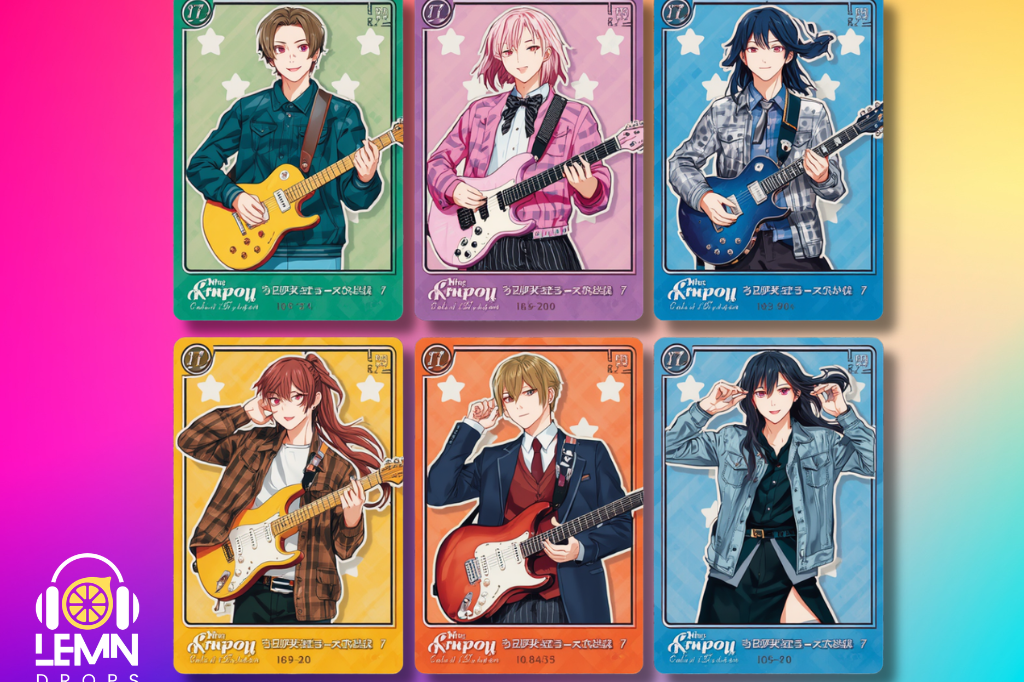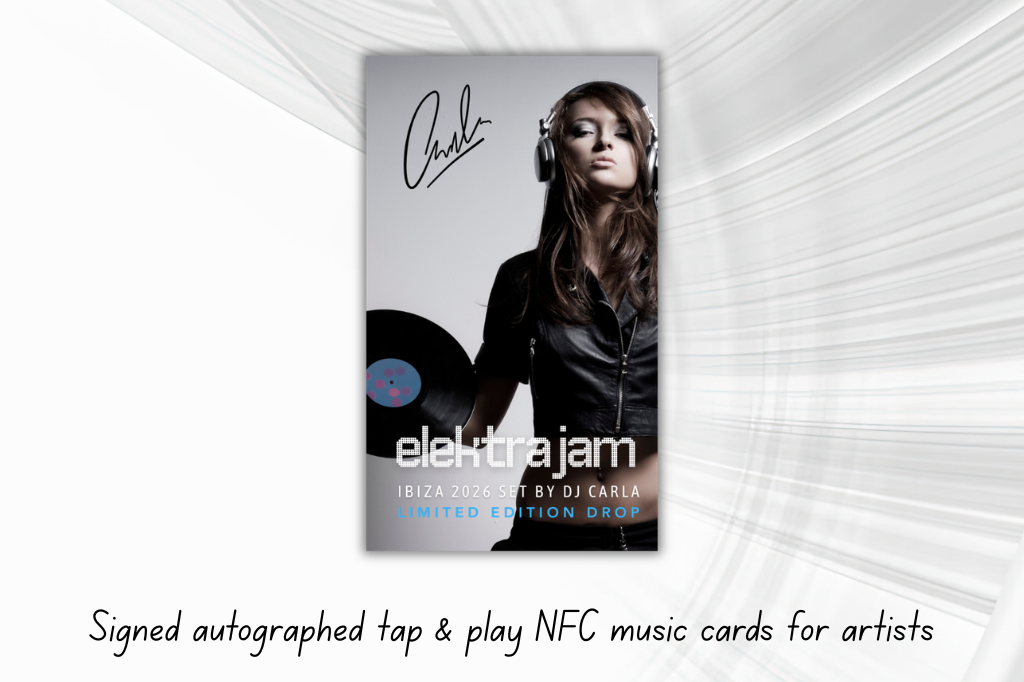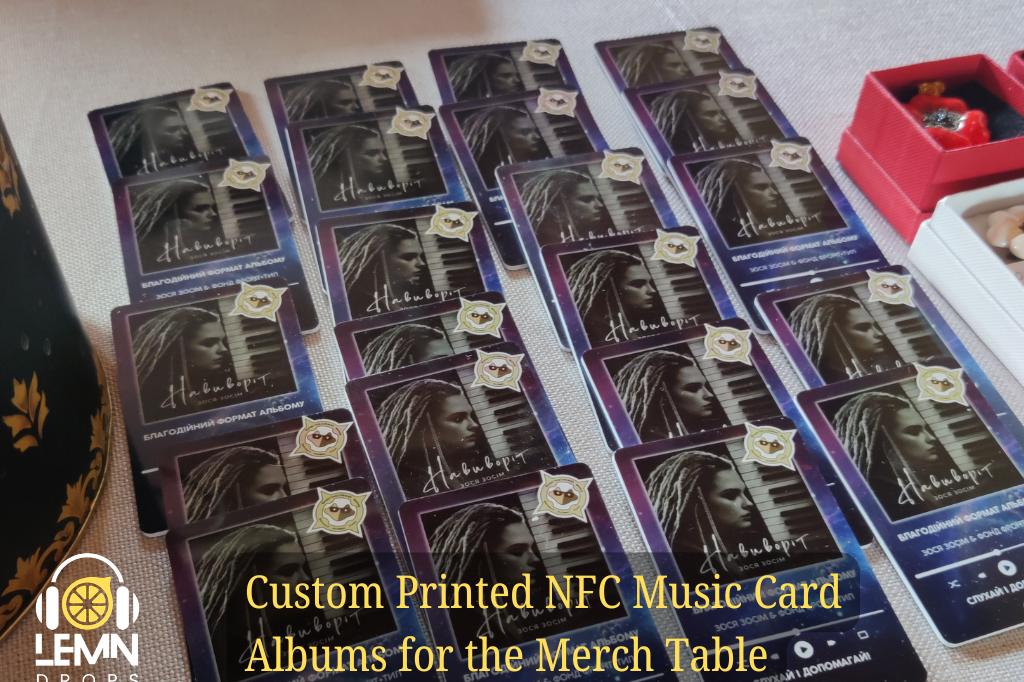


Starting the tracking week of October 2–8, 2026, Billboard and Luminate are recognizing Smart Media Albums — physical collectibles with NFC chips, QR codes, RFID, or ultrasonic audio embedded in them — as official chart-eligible music sales. It’s the first new physical format Billboard has added to its rulebook since the CD in the mid-1980s.
That’s a real milestone for the tap-to-play, phygital category that products like LEMN Drops cards belong to. But there’s a catch worth knowing before you get excited about a chart credit for your next release.
What Counts, and How
A Smart Media Album is any physical item — card, vinyl, cassette, apparel — that unlocks a digital experience (streams, downloads, bonus content, video) when a fan taps or scans it. Billboard and Luminate set specific rules for how these count:
| Metric | Rule |
| Billboard 200 | 0.5 Equivalent Album Units |
| Pure Album Sales chart | 1.0 Full Album Sale |
| UPC release limit | Max 2 versions per album |
| Vendor requirement | Must go through a Luminate-approved partner |
The Part That Matters for Independent Artists
To get chart credit, the release has to go through one of a small number of Luminate-approved vendors named in this initial rollout. Look at who’s on that list, and a pattern shows up fast: it’s built almost entirely around major-label and K-pop infrastructure — platforms tied to specific labels, ultrasonic tech licensed for photo-card culture, and Web3 identity systems aimed at crypto-native collectors. None of it was designed with a solo artist selling cards at a merch table in mind.
So if you’re an independent musician using NFC cards for a release, here’s the honest state of play right now: Billboard has validated the format you’re already using. It hasn’t yet built a path for you to get chart credit for it. That’s a gap in the approved-vendor list, not a flaw in the format — and it’s worth knowing so you don’t assume a card is chart-tracked when it isn’t.
Why the Format Still Wins for Independent Artists — Chart or No Chart
Chart credit was never really the reason most independent artists reach for a format like this. The actual advantages hold regardless of Luminate’s vendor list:
- Faster to produce than vinyl. No pressing-plant backlog to work around before a release or tour.
- Better margins per unit than a heavyweight vinyl pressing.
- Direct fan data every time someone taps. You know exactly who engaged with your release — something a retail vinyl sale never tells you.
- A real collectible fans can hold and display — not a download code stapled to a t-shirt.
Billboard recognizing the category is a signal to the wider industry that this is where physical music is heading. For independent artists, the smarter move isn’t waiting for a major-label platform to open its doors — it’s using a format built for exactly this scale already, and building the direct fan relationship that chart position can’t buy anyway.
The Takeaway
The news is genuinely good for anyone using NFC cards to release music: Billboard just put tap-to-play collectibles in the same rulebook as vinyl and CDs. It just did it in a way that, for now, serves major labels first. Independent artists don’t need to wait for that to change to get the real benefits of the format — the margins, the fan data, and the collectible fans actually want are already here.
You don’t need a Luminate-approved vendor to start building that fan connection today. The LEMN Drops SS01 gives you 50 custom-printed, tap-to-stream NFC cards you can sell at your next show — with 100% of the revenue going to you, not a platform. It’s the same principle Billboard just put its name behind, minus the wait.