

Vinyl is having its moment. Again. Is there an alternative to vinyl today?
After decades of being written off as a format for nostalgic audiophiles and vintage collectors, the 12-inch record has staged one of the most remarkable comebacks in the history of consumer media. Sales have grown for 17 consecutive years. Revenue crossed $1.4 billion in the United States alone in 2024. Record stores that were given up for dead are opening new locations. Young people who grew up streaming everything are lining up on Record Store Day to buy physical music for the first time.
For independent artists, the vinyl revival represents something genuinely exciting — proof that fans still want to own music, that physical releases still carry cultural weight, and that the merch table is not just for t-shirts and stickers.
But here is the truth that most articles about the vinyl revival do not tell you:
For the majority of independent artists, pressing vinyl is not a realistic option.
The costs are prohibitive, the timelines are brutal, the minimum order quantities are unforgiving, and the playback barrier for modern listeners is higher than it has ever been.
The good news is that the impulse behind the vinyl revival — fans wanting to own music physically, directly from the artists they love — does not require vinyl to be fulfilled. It requires the right format. And in 2026, there is a compelling alternative to vinyl for independent artists that is more affordable, more accessible, more portable, and better suited to how today’s music fans actually listen.
That format is the LEMN Drop NFC music album card.
Why Independent Artists Are Drawn to Vinyl — And Why It Rarely Works Out
To understand why the alternative to vinyl matters, it helps to understand what vinyl actually offers and why independent artists pursue it despite the obstacles.
What vinyl gets right
Vinyl communicates seriousness. A band with a vinyl release signals that they are committed to their craft, invested in their art, and building something that deserves to be owned. The large-format sleeve gives artists a 12-inch square canvas for artwork — arguably the most generous physical canvas any music format has ever offered. Holding a vinyl record feels meaningful in a way that a streaming link simply does not.
Vinyl is also genuinely collectible. Coloured pressings, limited editions, numbered copies, picture discs — the format has a deep and thriving collector culture that extends across every genre of music.
And vinyl has staying power. A vinyl record played carefully and stored correctly can last decades. It is a physical legacy that streaming will never replicate.
Why vinyl consistently fails independent artists
The costs are the first and most significant obstacle. A small independent run of vinyl — 100 to 300 copies, the minimum most pressing plants will accept — typically costs between €1,500 and €4,000 depending on format, colour, weight, and packaging. That is a significant upfront investment for an artist who may not yet have a proven sales record for physical music.
The lead times compound the problem. Pressing plant backlogs mean independent artists routinely wait four to six months — and sometimes longer — from the moment they place an order to the moment they hold finished records in their hands. Planning a vinyl release around a tour, a festival season, or a specific album launch becomes a logistical exercise that many artists simply cannot manage.
The playback problem is the final barrier. A vinyl record is only playable on a turntable. In 2026, a significant proportion of music listeners under 35 do not own a turntable. The vinyl collector audience is real and enthusiastic, but it is not the same as the general music fan audience that most independent artists are trying to reach.
What Independent Artists Actually Need From a Physical Format
Strip away the romance of vinyl and ask what a physical music format actually needs to do for an independent artist in 2026. The answer is remarkably clear.
- Affordable to produce in small quantities — without committing thousands upfront
- Available quickly — compatible with real release windows and tour dates
- Playable by modern listeners without additional hardware
- Genuinely collectible — not a download card or USB stick
- Financially sensible at the point of sale for both artist and fan
- Portable and durable enough for the real conditions of live music
No existing format ticked all of these boxes simultaneously — until the music album card.
Custom Printed LEMN Drop NFC Music Album Cards: The Modern Alternative to Vinyl
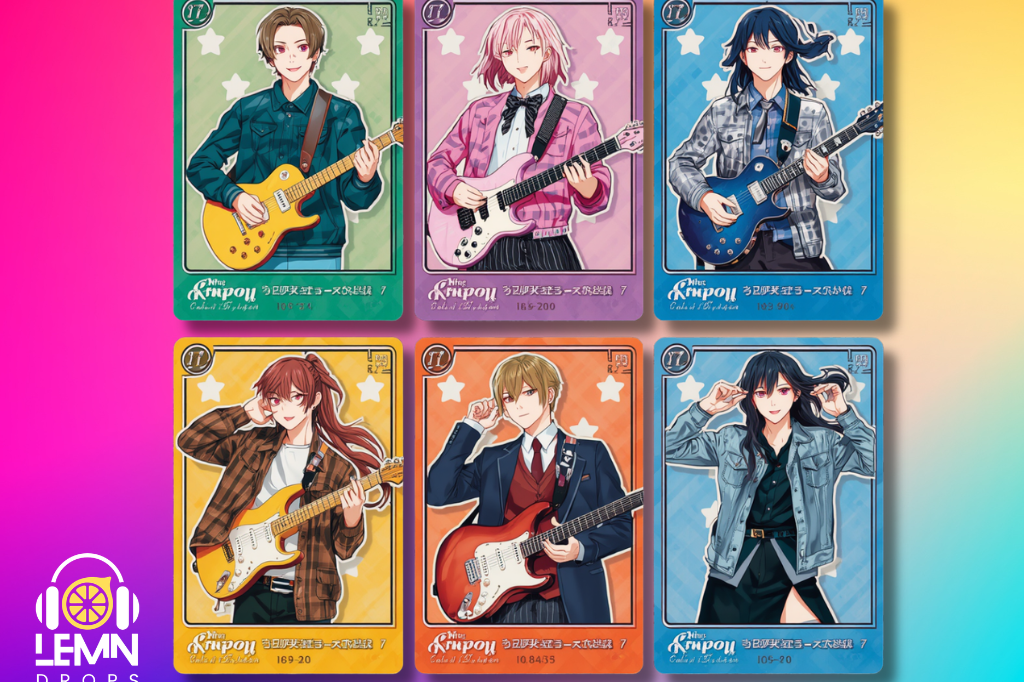
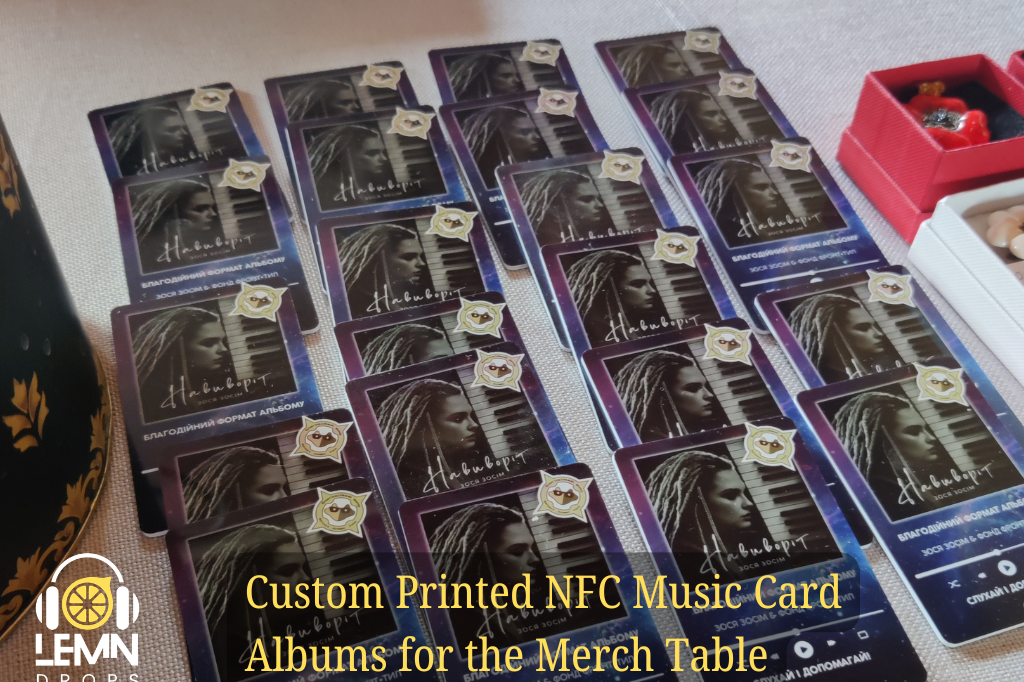
A LEMN Drop NFC music album card is a credit-card-sized, custom-printed physical release that gives fans instant access to a complete digital music experience when they tap it on any NFC-enabled smartphone.
Affordable at Any Scale
Where vinyl requires a minimum investment of €1,500 or more for even the smallest run, LEMN Drop NFC music album cards cost approximately €3 each — with no punishing minimum order quantities that force artists to over-commit.
An independent artist releasing a debut EP can order 50 cards, test the format at their next few shows, and scale their next order based on what actually sells. The financial risk is a fraction of what vinyl demands. The break-even is achievable in a single good night at the merch table.
Fast Turnaround, Ready for Your Next Show
Where vinyl pressing plants ask artists to wait months, LEMN Drops delivers custom-printed, encoded cards to your door in a timeframe measured in weeks rather than months. A physical product in fans’ hands at the moment of peak attention — at your launch show, at your first festival performance — is incomparably more valuable than the same product arriving three months later when the moment has passed.
Plays Instantly on Any Smartphone — No Hardware Required
There is no turntable required. No CD player. No cassette deck. No app download. No streaming account. The fan picks up the card, taps it against their smartphone — the same gesture they use to pay for a coffee — and the music plays immediately in their browser.
This means the entire general music fan audience is accessible, not just the subset who have invested in vinyl playback equipment. The casual fan who connected with you at a festival. The teenager at the front of the room who streams everything on their phone. All of them can tap and play instantly.
Genuinely Collectible — With a Physical Dimension That Matters
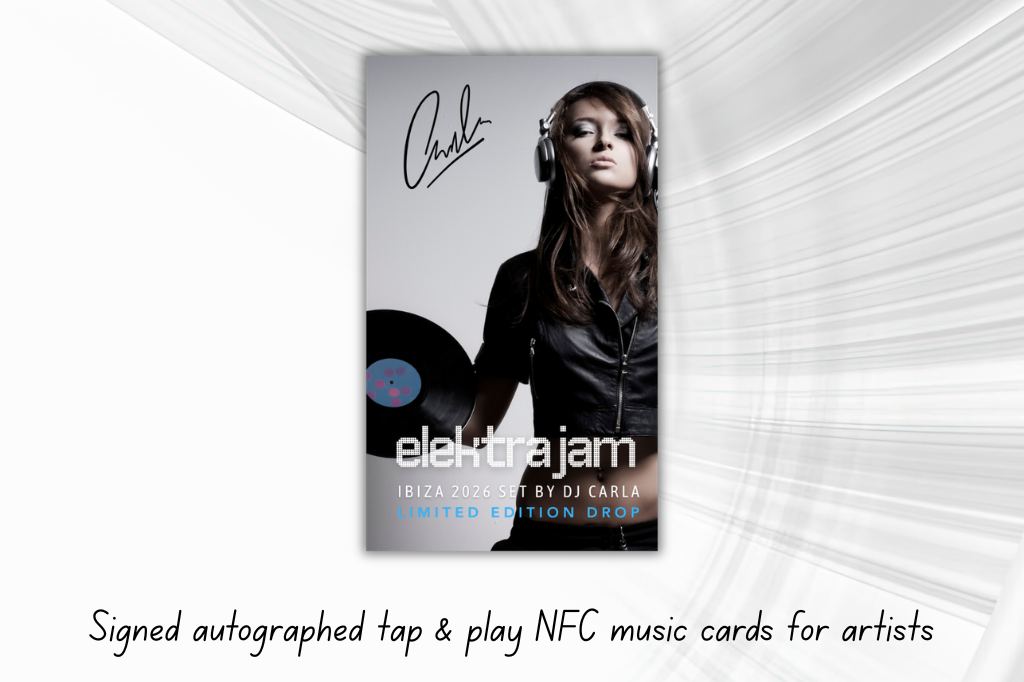
The card is custom printed — both sides — with the artist’s own artwork. It can be signed. It can be numbered. A limited edition run of 50 hand-numbered LEMN Drop cards from a debut EP is a genuine collector’s item — more accessible to own than a vinyl pressing, but no less meaningful as an artefact of the artist’s work.
The card form factor also inherits one of the most powerful collecting behaviours in modern culture. People collect cards — Pokémon cards, sports cards, trading cards of every description. A carefully curated collection of music album cards from favourite independent artists is a physical expression of musical taste that fits in a wallet and travels with you everywhere.
Sell at the Price Point That Converts
Vinyl at €20–€30 per record is a considered purchase. A LEMN Drop music album card at €7–€10 is an impulse purchase for a fan who just watched a great set. It is an accessible entry point for a new fan. It is a gift item easy to pick up as a souvenir from a show.
At €8 per card with a production cost of €3, the artist makes €5 on every sale — revenue that arrives the same night, in cash or card, with no 90-day royalty cycle and no distributor taking a cut.
Portable, Durable, and Practical for Live Performance
A LEMN Drop music album card is made from the same PVC as a bank card — essentially indestructible in the conditions of everyday life and live music. You can carry a hundred cards in a small box the size of a deck of playing cards. You can sell them in the rain at an outdoor festival, hand them to fans pressed against the stage, or carry your entire physical catalogue in a jacket pocket.
Side by Side: Vinyl vs LEMN Drop NFC Music Album Card
| Vinyl | LEMN Drop NFC Card | |
| Production cost (100 units) | €1,500–€4,000+ | ~€300 |
| Lead time | 4–6+ months | Weeks |
| Minimum order | 100–300 copies | Flexible |
| Playback requirement | Turntable (specialist hardware) | Any NFC smartphone |
| Audience reach | Vinyl collectors | All modern music fans |
| Portability | Low — fragile, heavy | High — wallet-sized, indestructible |
| Collectible appeal | High | High |
| Custom artwork | Yes (12″ sleeve) | Yes (both sides of card) |
| Edition size control | Yes | Yes |
| Revenue per unit sold | ~€12–14 (at €25–30) | ~€5 (at €8) |
| Break-even point | 100+ units | 43–75 cards |
| Fan price point | €20–€30 | €7–€10 |
Who Is the LEMN Drop Music Album Card Best For?
The honest answer: any independent artist who plays live and wants a physical release without the barriers of vinyl. But it is particularly well-suited to:
Emerging artists releasing their first EP or album
The low minimum order and affordable per-unit cost mean a debut release can have a genuine physical component without a prohibitive financial commitment. This is not accessible with vinyl.
Artists on an active gigging circuit
Club nights, support slots, festival sets, open mics, DJ sets, acoustic sessions — anywhere you are regularly performing to new audiences, a LEMN Drop card gives you something to sell to fans who connected with your music for the first time that night.
Artists releasing singles and EPs
A limited edition LEMN Drop card for a two-track single or a four-song EP is a perfectly natural release format — affordable, timely, and collectible without the overhead of a full vinyl production.
Artists wanting to test physical sales before committing to vinyl
A LEMN Drop release provides real sales figures from real fans before the larger investment is made.
Artists in genres where the fan demographic skews younger
Pop, electronic, hip-hop, indie pop, singer-songwriter — genres where the core audience is in the 18–35 range, streaming natively on smartphones, and unlikely to own a turntable.
Vinyl and LEMN Drops: A Partnership, Not a Competition
The most sophisticated approach for independent artists who have the budget and the audience to support vinyl is not to choose between formats but to use both.
A full vinyl pressing for the dedicated collectors and audiophile fans who will seek it out, combined with a limited edition LEMN Drop card run for the broader fanbase at the live show merch table — this covers the entire spectrum of how modern music fans want to own physical music.
Artists who sell 200 LEMN Drop cards at €8 each generate €1,600 in direct revenue — enough to meaningfully contribute to a small vinyl run.
The LEMN Drop card can serve as a bridge product: a physical release at launch that funds or partially offsets the cost of a subsequent vinyl pressing.
Making Your First Physical Release Count
If you have been considering vinyl but found yourself hesitating at the cost, the lead time, or the practicality questions, the LEMN Drop music album card is the answer you have been looking for.
- Visit lemn-drops.com and place your order, uploading the custom artwork for your cards
- Create your Music Drop — upload tracks, lyrics, artist bio, and credits
- LEMN Drops handles encoding, printing, and delivery to your door
- Put your cards on the merch table at your next show and watch what happens
Choose your edition size deliberately. A run of 50–100 cards numbered by hand creates genuine scarcity and collector value. Price them at €8–€10 — well within impulse-purchase territory for a fan at a live show.
Physical music is not going away. The format it comes in just needs to match the generation it is made for.
Ready to release your music in a physical format built for modern listeners?
Visit the LEMN Drops shop to order your custom printed NFC music album cards.
Questions? Reach out at lemn-drops.com — we’ll help you plan it from start to finish.